
 EN
EN  AR
AR ES
ES TR
TR RU
RU PT
PT RO
RO HU
HU BG
BG CS
CS NL
NL FR
FR DE
DE EL
EL IT
IT BE
BE GA
GA MS
MS AF
AF SV
SV LV
LV GD
GD TG
TG UZ
UZ SU
SU TA
TAKeywords: Beyond Portable Oxygen Concentrator, Beyond Oxygen Generator, OSA, NIV
Oxygen Therapy and Wellness utilizes supplemental oxygen to improve the body's physiological and biochemical internal environment, promoting a positive metabolic cycle. This achieves the goals of treating diseases, alleviating symptoms, promoting rehabilitation, and preventing pathology to enhance overall health. Clinical trials confirm that, due to its unique mechanism, oxygen therapy provides effective treatment for acute and chronic hypoxia and related secondary diseases across various clinical departments.
If you experience nightly snoring with choking/gasping, or daytime sleepiness, seek treatment at a Respiratory/Sleep Clinic. A physician will evaluate your condition and order a Polysomnography (PSG). The resulting report, featuring core metrics like AHI (Apnea-Hypopnea Index) and minimum SpO₂, will confirm the diagnosis and guide the formulation of a CPAP or other treatment plan.
Here are the three types of oxygen therapy:
1. Long-term Oxygen Therapy (LTOT): This is the most common form of home oxygen therapy. It refers to patients requiring prolonged/lifelong low-flow oxygen administration ( ≤ 4 L/min) in their daily lives. Most patients with chronic hypoxemia necessitate long-term home oxygen therapy, meaning continuous oxygen inhalation for a minimum of 15 hours per day to maintain an SpO2 greater than 90%.
2. Nocturnal Oxygen Therapy (NOT): This therapy is administered during nighttime sleep. It is indicated for patients with chronic respiratory diseases whose SpO2 falls to ≤ 88% during the night, as well as for sleep apnea patients diagnosed with nocturnal hypoxemia confirmed via PSG (Polysomnography).
3. Ambulatory Oxygen Therapy (AOT): This therapy delivers oxygen via portable oxygen devices to facilitate patient participation in outdoor activities, alleviate dyspnea during exertion, and enhance exercise tolerance. AOT is recommended for patients with Interstitial Lung Disease (ILD) or Chronic Obstructive Pulmonary Disease (COPD) who experience severe exertional hypoxemia SpO2 Oxygen Therapy (LTOT), or it can be used solely in those with COPD, ILD, or similar conditions who maintain adequate resting oxygen levels but desaturate to SpO2
When you or your family members require oxygen therapy, you'll need a reliable home oxygen concentrator. Beyond medical offers two great options: ResHope series of stationary oxygen concentrators and ResMini series of portable oxygen concentrators.
● The King of Stationary Concentrators: OG-5A/5C
This product is ideal for continuous, long-term use at home, such as in the bedroom or living room.
Oxygen Flow: Continuous output of 5 L/min.
Weight: 18 – 19 kg, with universal wheels for easy mobility.
Power: Plug-and-play operation, no need to worry about power outages.
Noise Level: ≤ 42 dB (seven-layer noise reduction for silent operation at night).
Smart Features: Large screen for real-time blood oxygen data, voice broadcasts, and cloud data upload.
Accessories: Humidifier bottle that doesn't require refilling overnight, and universal wheels for convenient household movement.
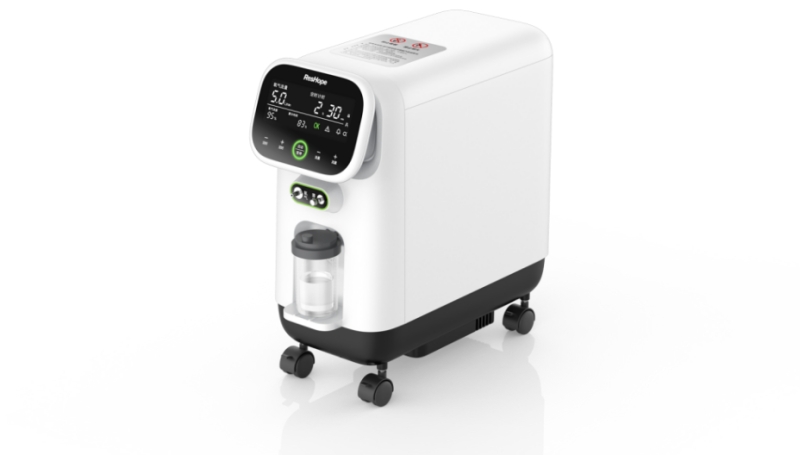
Figure 1. ResHope Series Medical Molecular Sieve Oxygen Generator
● The Pioneer of Portability: ResMini POC-5
Perfect for those who need oxygen therapy on the go, such as for business trips, camping, or train travel.
Oxygen Flow: Smart pulse delivery of 1–5 L, which is equivalent to a continuous output of 5 L.
Weight: 2.2 kg with the battery, making it easy to carry in a shoulder bag.
Battery Life: 4.5 hours on level 1, and 1.5 hours on level 5. Can be charged in a car with a 12V adapter for continuous use while charging.
Noise Level: ≤ 45 dB (imported compressor with rubber casing, nearly silent in outdoor environments).
Smart Features: 2.8-inch color screen, AI pulse technology, and a mobile app for remote start/stop.
Accessories: Comes with a portable backpack and a car charger cable, making it ready for high-speed train or car travel.
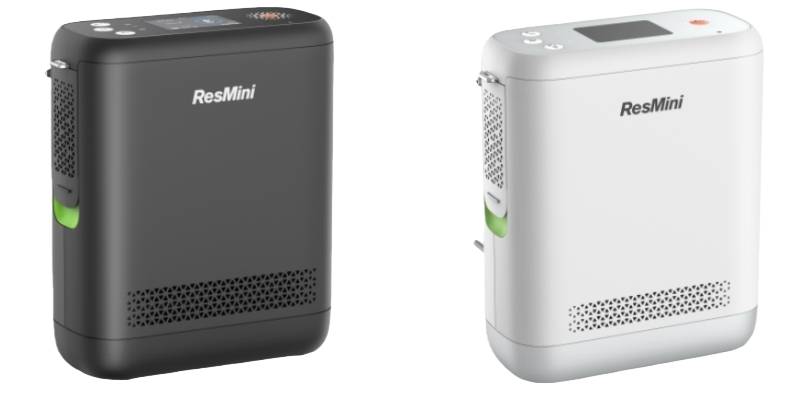
Figure 2. ResMini Series Portable Oxygen Concentrator
● How to Choose the Right Oxygen Concentrator?
1. For severe OSA and nighttime blood oxygen levels below 88%: Choose the OG-5A/5C.
2. For mild to moderate OSA with frequent travel needs: Choose the ResMini POC-5.
3. For a transitional period or as a backup device: Consider a dual-machine strategy. Use the OG-5A/5C for all-day use during severe periods, and use the POC-5 for travel or when symptoms are milder to avoid "oxygen anxiety."
● Summary
For severe hypoxia and long-term home use, choose the OG-5A/5C; For mild to moderate conditions and frequent travel, the ResMini POC-5 is the way to go. Beyond's dual-route strategy ensures that OSA patients can have the right oxygen support for every breath, right at home.