
 EN
EN  AR
AR ES
ES TR
TR RU
RU PT
PT RO
RO HU
HU BG
BG CS
CS NL
NL FR
FR DE
DE EL
EL IT
IT BE
BE GA
GA MS
MS AF
AF SV
SV LV
LV GD
GD TG
TG UZ
UZ SU
SU TA
TAKey words: NIV, Home Non-invasive Ventilator, COPD, OSA, Sleep Health, Medical Device
During the use of home Non-Invasive Ventilators (NIV), patients often face issues such as intolerance, or limitedpoor therapeutic outcomes due to poor adherence. Below, we introduce common pitfalls that are often overlooked during the use of NIV devices:
Myth 1: Only patients with severe difficulty breathing require or qualify for a home non-invasive ventilator.
It is a common misconception that Non-Invasive Ventilation (NIV) is only indicated for patients with severe respiratory distress. In fact, NIV is primarily usedfit for medical treatment with the ability of continuous positive airway pressure (CPAP) treatment to reverse the repetitive upper airway obstruction of sleep apnea and associated daytime sleepiness .patients with mild to moderate respiratory failure.
When a patient develops abnormal respiratory function, such as hypoxemia, it can lead to a cascade of pathophysiological changes and damage across various organs and cells throughout the body. Timely intervention in the early stages of respiratory failure can effectively block this damage and prevent the progression and worsening of the condition.
ThereforeTime to pay attention early, waiting until the patient has developed obvious respiratory failure often means losing the optimal window for non-invasive ventilation, which can result in treatment delay or failure.
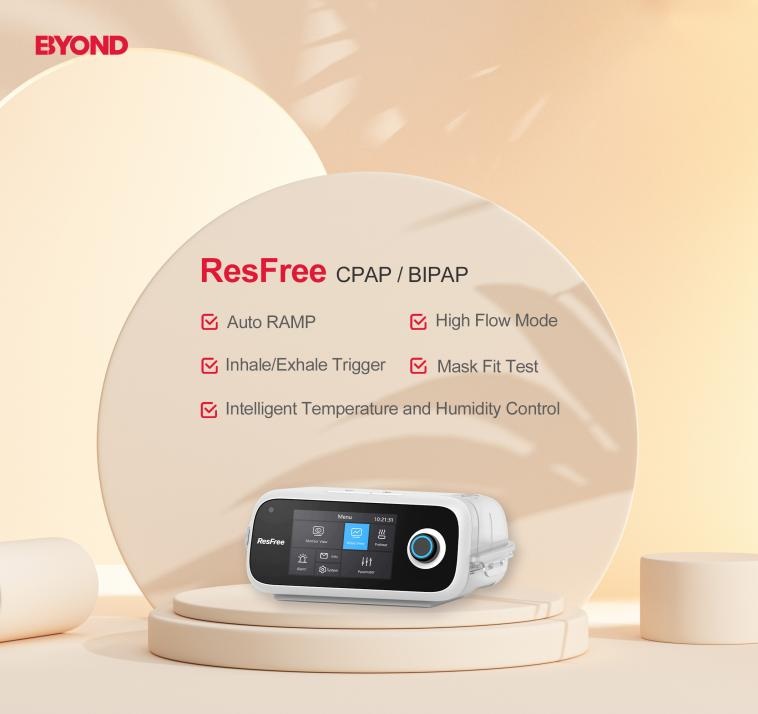
Figure 1. ResFree Series Non-invasive Ventilator(CPAP/BIPAP)
Myth 2: Activating the ventilator before the mask is properly placed.
Many home ventilator users mistakenly power on the device and initiate air delivery before securing the mask on the patient. However, operating the machine when it is "free-blowing" significantly shifts the machine's calculated baseline, which triggers the ventilator's leak compensation function. This often results in the leak compensation volume far exceeding the actual leak rate.
Therefore, the correct procedure is to first don the mask and connect the tubing while the home NIV is in standby mode, and only then initiate air delivery.
Myth 3: Over-tightening the headgear for nasal and oronasalfull face masks.
Leakage from the mask during Non-Invasive Ventilation (NIV) delivery will certainly compromise the treatment efficacy. So, what is the appropriate tension level for the headgear?
Generally, the headgear tension should be adjusted so that 1–2 fingers can fit comfortably underneath the straps. Over-tightening the headgear can easily cause excessive pressure on the face, which affects blood circulation; conversely, overly loose headgear will lead to excessive air leakage, also negatively impacting the treatment outcome.
Myth 4: Avoid discontinuing NIV therapy due to initial discomfortDiscontinuing therapy the Moment discomfort is experienced on the ventilator.
Transient discomfort from the face mask interface is common, especially at the start of therapy. True comfort arises from physiological improvement of the underlying condition.
Before initiating home NIV, patients should be informed of its purpose, necessity, and expected challenges—including temporary discomfort. Addressing anxiety and resistance is essential for improving adherence and confidence.
Ventilator settings such as pressure and oxygen concentration can be adjusted in response to tidal volume, respiratory waveforms, and oxygen saturation. With appropriate management, improved respiratory rate and oxygenation typically lead to reduced discomfort within 20 minutes as the condition stabilizes.
Anyone wearing a face mask will experience discomfort, especially initially. What truly makes a patient feel comfortable is the actual improvement of their underlying condition.
Prior to using a home ventilator, patients must understand the purpose, necessity, and significance of home NIV therapy, particularly the potential discomfort that may occur during the treatment process. Eliminating patient anxiety, panic, and resistance is vital to improving their treatment adherence and confidence.
During NIV therapy, the ventilator's pressure parameters and oxygen concentration can be adjusted based on tidal volume, respiratory waveforms, and oxygen saturation levels... If the patient's respiratory rate improves and blood oxygen levels rise within a short period, then with rational treatment, their breathing discomfort will subside after about 20 minutes as the respiratory disorder improves.
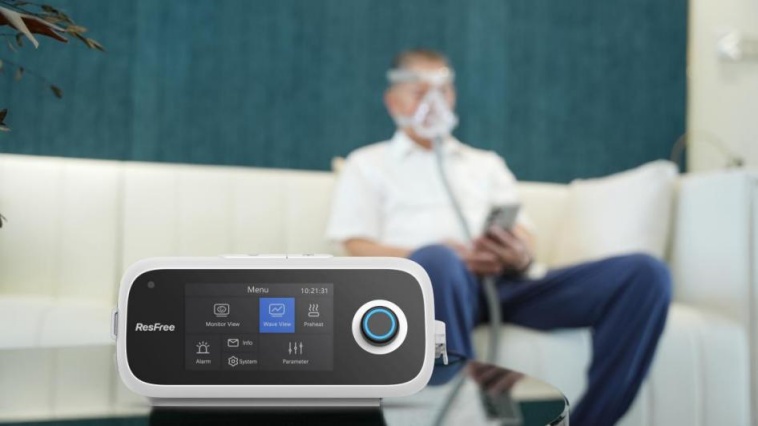
Figure 2. ResFree Series Non-invasive Ventilator
In Summery:
By avoiding these common misconceptions, you can significantly enhance the safety and effectiveness of your home NIV therapy. Prioritize correct technique and stay informed to maximize your treatment outcomes.
Table of Contents
- Myth 1: Only patients with severe difficulty breathing require or qualify for a home non-invasive ventilator.
- Myth 2: Activating the ventilator before the mask is properly placed.
- Myth 3: Over-tightening the headgear for nasal and oronasalfull face masks.
- Myth 4: Avoid discontinuing NIV therapy due to initial discomfortDiscontinuing therapy the Moment discomfort is experienced on the ventilator.
- In Summery: