
 EN
EN  AR
AR ES
ES TR
TR RU
RU PT
PT RO
RO HU
HU BG
BG CS
CS NL
NL FR
FR DE
DE EL
EL IT
IT BE
BE GA
GA MS
MS AF
AF SV
SV LV
LV GD
GD TG
TG UZ
UZ SU
SU TA
TAKey Words: Ventilator, CPAP, APAP, BiAPAP, OSA
When we talk about breathing, we often take it for granted—it’s an automatic process. But for millions of people, breathing isn’t so easy. This is where a ventilator, or breathing machine, comes in. Think of it as a helping hand for your lungs, a support system that ensures you get the air you need.
At its core, a ventilator's job is simple: it moves air into and out of your lungs when you can't do so on your own. It can be used for a short time, like during a surgery when you're under anesthesia, or for a longer period if you're battling a severe illness like pneumonia or have a chronic condition.
Today's ventilators have come a long way. They're no longer just the big, intimidating machines you might see in a movie. Modern ventilators are often smart, quiet, and even portable. They can precisely control the amount of air you receive, adjust to your natural breathing patterns, and provide a range of therapies, from basic support to complex, life-saving care.
The article will provide a brief overview of Beyond four lines of home non-invasive ventilators to provide consumers with clearer and more understandable product information from the point of purchase:
Dreamy series
Features:
1. Ultra-lightweight and portable;
2. Backup light for night operation;
3. Auto ON/OFF function;
4. Ramp function: Maximum 60 minutes, it make therapy more compliance;
5. Belex function: Auto reduce pressure during expiration to make the patient feel more comfortable. (Similar to ERP or PEEP)
Target Group:People with simple snoring, mild OSA, or budget-conscious people.
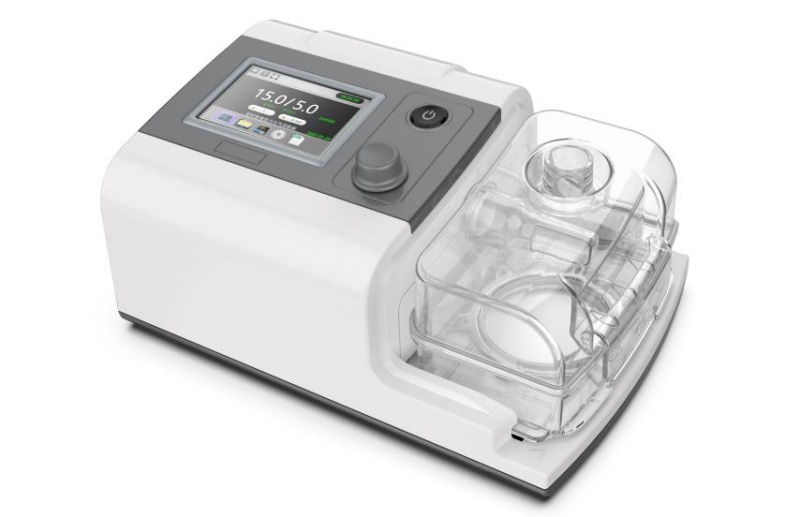
Figure 1. Dreamy series ventilator
ResPlus series
Features:
1. Two work mode: CPAP and APAP;
2. Swiss made pressure sensor;
3. Germany technology blower;
4. Pressure titration function;
5. Special filter (FDA standard):prevent from dusty and blocking.
Target Group:Patients with mild-moderate OSA and those who snore and sleep-hold awake without CO₂ retention problems
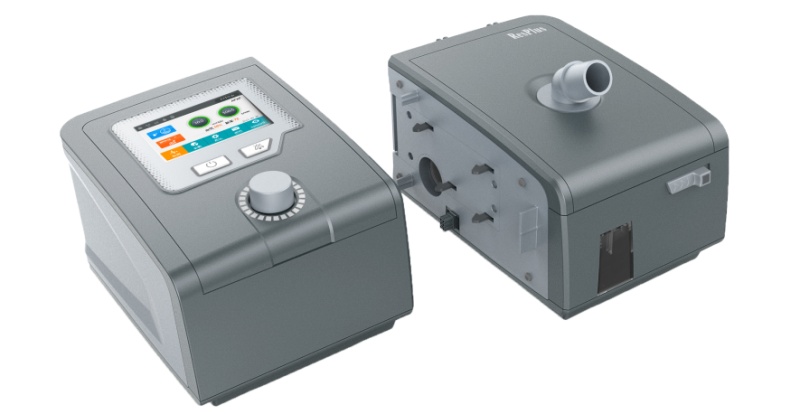
Figure 2. ResPlus series ventilator split diagram
ResHope series
Features:
1. Ultra-quiet operation;
2. Optional pulse oximeter kit;
3. Optional cloud data, smart mask test.
4. Inhalation/exhalation pressure difference adjustable, 0-60 min delayed pressure rise;
Target Group:Moderate-severe OSA, obesity, intolerant to single level - Mild-moderate COPD early, need to assist in draining CO₂.
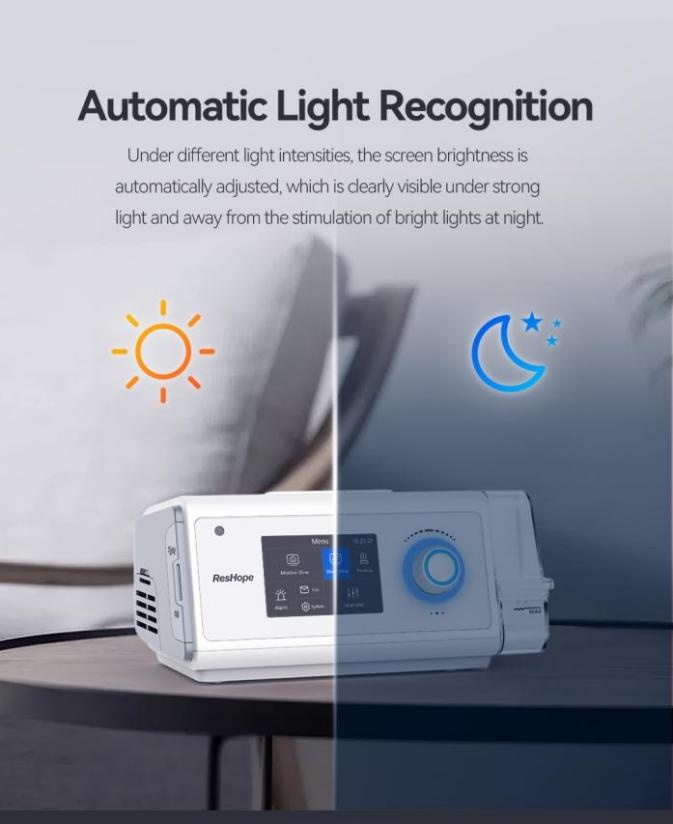
Figure 3. Automatic light recognition of ResHope series ventilator
ResFree series
Features:
1. Sensitivity levels are adjustable and the new iAPAP mode reduces the time required for user pressure adjustments;
2. Warm-up mode and heated breathing tube available to ensure warmth at the air outlet;
3. Wifi modularity with cloud database management;
4. High-flow operating mode available for more accurate tidal volume;
5. Intelligent Ramp Mode;
6. Real-time SpO₂ monitoring with insertable oximetry module.
Working Mode: CPAP, APAP, S, T, S/T, Auto B, IAPAP, APCV
Target Group: Patients with severe OSA, obese hypoventilated patients and patients requiring long-term remote follow-up.
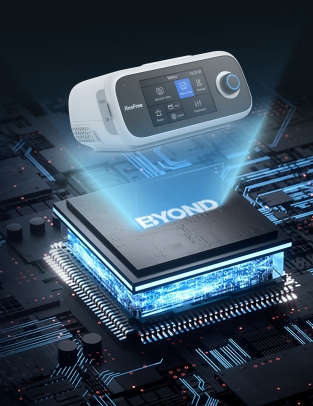
Figure 4. ResFree series ventilator sensor rendering
To summarize:
Choosing the right ventilator is crucial because it directly impacts the effectiveness of your treatment and your comfort. Therefore, selecting a machine with the right functions, modes, and comfort level—based on your specific condition and your doctor's advice—is the first step toward successful treatment.