
 EN
EN  AR
AR ES
ES TR
TR RU
RU PT
PT RO
RO HU
HU BG
BG CS
CS NL
NL FR
FR DE
DE EL
EL IT
IT BE
BE GA
GA MS
MS AF
AF SV
SV LV
LV GD
GD TG
TG UZ
UZ SU
SU TA
TA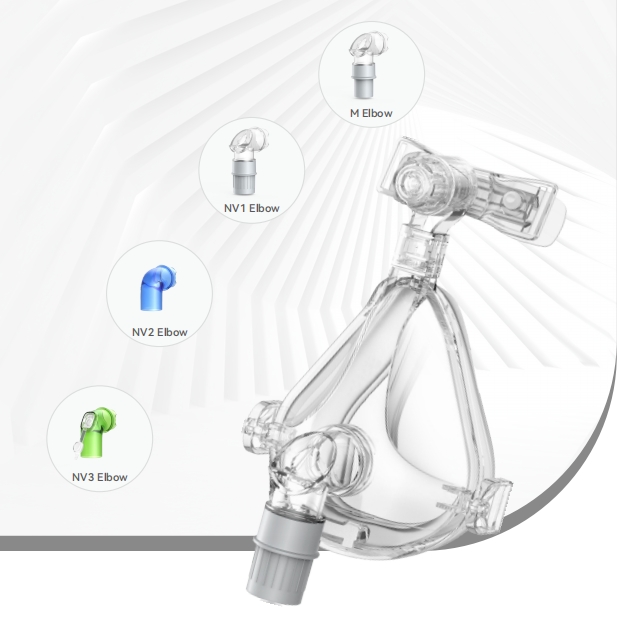
Figure 1. The BYOND Elbows: A Family Photo
Key words: Elbow Vent Connector, OSA, COPD, Mask Accessories
Why the Elbow Deserves Your Attention?
While small, the mask elbow is a vital connection between the mask and the ventilator. Its design has a significant impact on several factors:
● Dead space volume directly affects the risk of carbon dioxide retention;
●The presence or absence of an exhalation valve influences noise and pressure stability;
●Specialized ports can allow for procedures like bronchoscopy or suctioning without removing the mask.
Choosing the wrong elbow can lead to issues ranging from disruptive noise to ventilation failure. This article introduces the BYOND FM5/5A respiratory mask series, offering a comprehensive overview to help clinicians make informed decisions and feel confident when selecting the correct elbow component.
The Four Elbows: A Quick Look
● M Elbow:
Appearance: Two-tone, transparent and gray.
Features: Equipped with an anti-asphyxia valve and connects to a single tube circuit.
Best for: Patients with mild conditions like OSA (Obstructive Sleep Apnea) and mild COPD (Chronic Obstructive Pulmonary Disease) at home.
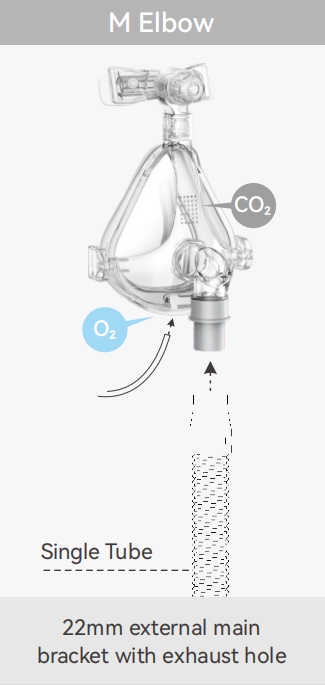
Figure 2. M-Elbow Vent Connector
●NV1 Elbow:
Appearance: Two-tone, transparent and gray.
Features: Equipped with an anti-asphyxia valve and connects to a single tube circuit with a plateau valve.
Best for: Patients with acute COPD exacerbations or cardiogenic pulmonary edema.
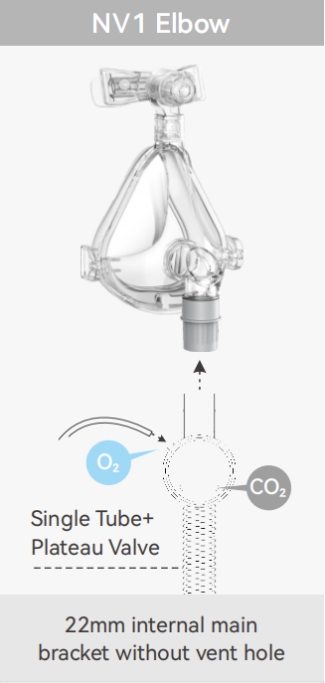
Figure 3. NV1-Elbow Vent Connector
●NV2 Elbow:
Appearance: Blue.
Features: Connects to a dual tube circuit.
Best for: Patients with mild to moderate ARDS (Acute Respiratory Distress Syndrome) or for invasive sequential ventilation in the ICU.
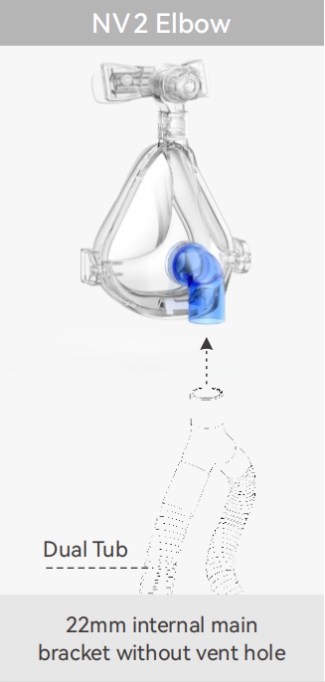
Figure 4. NV2-Elbow Vent Connector
●NV3 Elbow:
Appearance: Green.
Features: Connects to a dual tube circuit and has a port that can accommodate an endotracheal tube with an outer diameter no larger than 8.0 mm.
Best for: Procedures like suctioning retained secretions or obtaining specimens for etiological diagnosis in patients with severe lung infections.
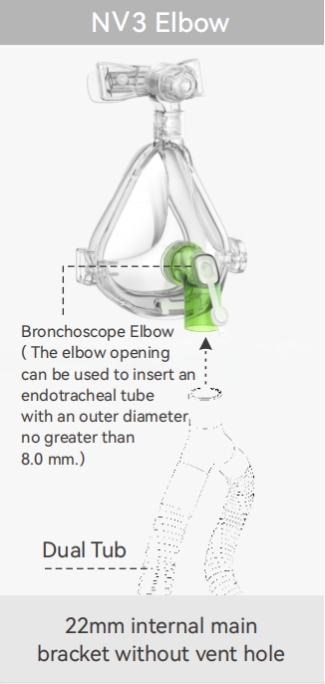
Figure 5. NV3-Elbow Vent Connector
Matching the Elbow to the Clinical Scenario
●Key Need: Quiet operation, comfort, and a low risk of CO₂ retention.
Recommendation: M Elbow (transparent + gray)
●Key Need: Rapid CO₂ removal under high flow, quickly reducing pulmonary fluid overload.
Recommendation: NV1 Elbow (transparent + gray)
●Key Need: Simultaneous oxygen supply and exhalation via a dual tube circuit.
Recommendation: NV2 Elbow (blue)
●Key Need: Performing procedures without removing the mask, with direct access to the lesion for convenient suctioning.
Recommendation: NV3 Elbow (green)
Summary
Each of the four elbow designs is tailored to meet specific clinical needs and patient profiles. Selecting the right mask elbow is essential for maintaining effective and reliable respiratory support.
For more information or personalized guidance, feel free to contact us at [email protected] or visit our website at www.hnbyond.com to receive one-on-one support from our sales team.